
Whitney Houston: The Voice That Resonates Forever
Exploring the Life and Legacy of a Musical Icon
About
Whitney Houston
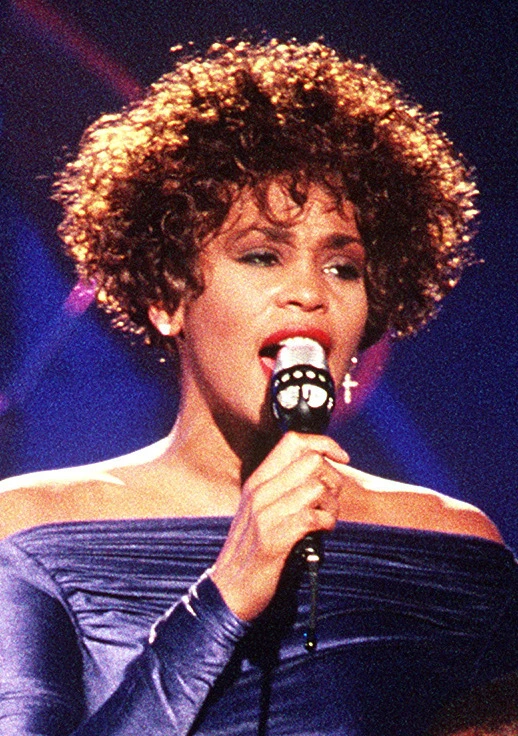
Whitney Houston was more than just a singer; she was a phenomenon. Her extraordinary talent could make even the hardest hearts crumble and the most stoic listeners shed tears. With a voice that soared like an eagle, she dominated the charts and captivated audiences around the world. Yet, like all great stories, Whitney's life was a tapestry woven with both triumph and tragedy. Born to greatness, she faced demons that ultimately silenced her voice. As we delve into her life, career, and the bittersweet legacy she left behind, we are reminded that the brightest stars often burn out the fastest. Whitney Houston's journey is one of unparalleled talent and heart-wrenching struggles, a tale that still resonates with fans and music lovers today.
Whitney Elizabeth Houston was born on August 9, 1963, in Newark, New Jersey, to a family deeply rooted in music. Her mother, Cissy Houston, was a revered gospel singer and a member of the Sweet Inspirations, a group that provided backup vocals for legendary artists like Aretha Franklin and Elvis Presley. Whitney was raised in a household filled with melodies and harmonies, a nurturing environment where her vocal talents could blossom. She was introduced to music at a young age, often performing in church and honing her skills alongside her mother and other family members. Her cousin, the iconic Dionne Warwick, was another significant influence, further embedding Whitney in a legacy of soulful singing.
As a child, Whitney faced challenges that would shape her into the resilient performer she became. Her parents divorced when she was just a teenager, leading to a tumultuous family life. Yet, Whitney's passion for music only grew stronger during these formative years. By the time she reached her teens, she was already working as a model, becoming the first black woman to grace the cover of Seventeen magazine. However, it was her singing that truly set her apart. Whitney's exceptional talent was undeniable, and by the time she was in her early twenties, she was on the cusp of superstardom.
Whitney's career took off in the mid-1980s, and the world was soon enveloped in her powerful voice. Her self-titled debut album, released in 1985, was a game changer, producing hits like “The Greatest Love of All” and “How Will I Know.” The album catapulted her into the spotlight, making her the first woman to debut at number one on the Billboard 200 chart. Whitney didn’t just break records; she shattered them. Over the years, she released several more critically acclaimed albums, including “Whitney” (1987) and “The Bodyguard” soundtrack (1992), the latter of which remains one of the best-selling soundtracks of all time.
In addition to her musical prowess, Whitney also made her mark in the film industry. Her role in “The Bodyguard” opposite Kevin Costner showcased her acting skills and introduced her to a new audience. The film's soundtrack featured “I Will Always Love You,” which became a cultural phenomenon and is often regarded as one of the greatest love songs of all time. Whitney's achievements earned her numerous accolades, including six Grammy Awards, 30 Billboard Music Awards, and a star on the Hollywood Walk of Fame. Each award was a testament to her extraordinary talent and the impact she had on the music industry.
Despite her immense success, Whitney's life was not without controversy. Her tumultuous marriage to rapper Bobby Brown was often in the public eye, and their relationship became a focal point for tabloids and gossip columns. Their love story was as passionate as it was destructive, marred by substance abuse and personal struggles. Whitney's battle with addiction became a significant part of her narrative, overshadowing her musical achievements at times. The media was relentless, often portraying her in a negative light, which took a toll on her mental health and public image.
In her later years, Whitney attempted to reclaim her life and career, but the damage was done. She faced numerous challenges, including several stints in rehabilitation and a public struggle to rebuild her reputation. Despite these challenges, she remained a beloved figure in music, and her fans stood by her side. As she faced her demons, Whitney's resilience shone through, reminding us all that even the brightest stars have their struggles.
Whitney Houston tragically passed away on February 11, 2012, at the age of 48, just hours before she was set to attend a pre-Grammy party. Her untimely death shocked the world and left a profound impact on her fans and the music community. Whitney's legacy continues to thrive, as her music remains a staple on playlists and her influence is felt among new generations of artists. In recent years, biopics and documentaries have shed light on her life, exploring both her incredible talent and the challenges she faced. It is a reminder of the complexities behind fame and the importance of mental health in the entertainment industry.
As we reflect on Whitney's life, it's essential to acknowledge the health issues that can accompany the pressures of celebrity status. The toll that fame can take on one's mental and physical health is often underestimated. Whitney's battle with addiction highlights the need for awareness and support systems for those in the limelight. Her story serves as a cautionary tale, urging us to approach the topic of celebrity mortality with sensitivity and understanding. While Whitney Houston's life was tragically cut short, her legacy serves as a powerful reminder of the importance of self-care and the need for compassion in the face of public scrutiny.
Looking ahead, Whitney Houston's legacy will undoubtedly continue to inspire and influence future generations. Her unparalleled vocal talent and the emotions she infused into her music will never fade away. As new artists emerge, they will inevitably draw inspiration from Whitney's powerful performances and her ability to connect with audiences on a profound level. Her influence will continue to echo in the hearts of fans and the music industry for years to come, ensuring that Whitney Houston remains a timeless icon, forever remembered as “the Voice.”
In conclusion, Whitney Houston's life was a remarkable journey filled with both extraordinary achievements and heartbreaking struggles. Her story serves as a reminder that greatness often comes with its own set of challenges. As we celebrate her legacy, let us also remember the importance of compassion and support for those who face similar battles. Whitney's voice may have been silenced, but her spirit and impact will continue to resonate for generations to come.