The Life and Legacy of Hugo Chávez: A Revolutionary Icon
Exploring the complex impact of Chávez on Venezuela and beyond
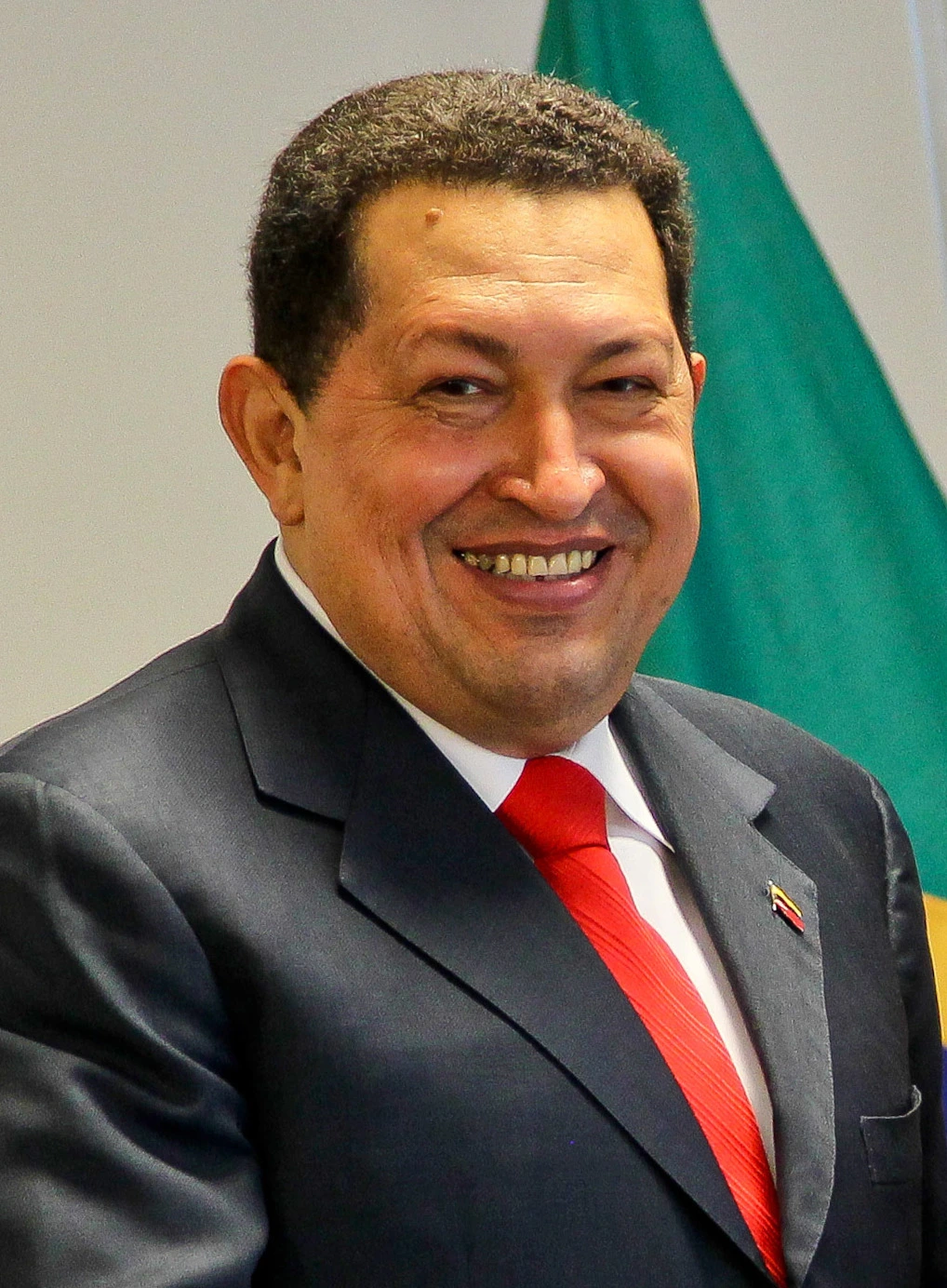
About
Hugo Chávez
Venezuelan politician
The Life and Legacy of Hugo Chávez: A Revolutionary Icon
Hugo Rafael Chávez Frías, a name that resonates with passion, controversy, and a relentless pursuit of social justice, remains one of the most significant figures in Latin American history. Born on July 28, 1954, in the small town of Sabaneta, Venezuela, he rose from humble beginnings to become the President of Venezuela, serving from 1999 until his death in 2013. His life was marked by a commitment to socialism, anti-imperialism, and the belief that the wealth of the nation should benefit the many, not just the privileged few. As we delve into the life and career of this enigmatic leader, we uncover not just the political maneuvers and policies he enacted, but also the fervent ideals that drove him and the impact he left on Venezuela and the world.
Early Life and Influences
Hugo Chávez grew up in a modest household, the son of a schoolteacher and a military officer, in a country where wealth was starkly divided. His childhood was steeped in the culture of Bolivarism, inspired by Simón Bolívar, the liberator of much of South America from Spanish rule. This early exposure to the ideals of social justice and anti-colonialism had a lasting impact on Chávez. He pursued military training and education at the Venezuelan Academy of Military Sciences, where he began to formulate his thoughts on politics and governance. His military career was not just about discipline and order; it was the springboard for his revolutionary aspirations.
In 1992, Chávez led a failed coup against the then-President Carlos Andrés Pérez, which resulted in his arrest. However, his audacious attempt to overthrow the government ignited a spark among the disillusioned Venezuelan populace. After serving two years in prison, he emerged a national symbol of resistance and hope for the marginalized. His message was simple yet profound: the poor should not remain silent in the face of injustice. This belief would become the cornerstone of his political philosophy when he founded the Fifth Republic Movement, which later transformed into the United Socialist Party of Venezuela (PSUV).
Policies and the Bolivarian Revolution
Chávez’s mission was clear: to empower the disenfranchised and redistribute Venezuela's oil wealth to improve the lives of the poor. He championed policies that prioritized social programs, healthcare, and education, which he deemed fundamental rights rather than privileges. His government launched the “Mission” programs, targeting poverty reduction, literacy, and healthcare access, all while ensuring that the benefits of Venezuela's vast oil reserves were shared with the underprivileged. His administration often referred to this as the Bolivarian Revolution, a term that encapsulated his vision of a socialist society grounded in the principles of Bolívar.
The impact of Chávez's policies was profound. Under his leadership, poverty rates in Venezuela dropped significantly, with millions lifted above the poverty line. In 1999, when Chávez took office, over 50% of the population lived in poverty. By 2011, that figure had decreased to around 27%. His government invested heavily in education, resulting in a literacy rate that soared to over 97%, thanks in part to the Cuban literacy program that Chávez embraced. Furthermore, healthcare initiatives, such as the “Barrio Adentro” program, provided medical services to the rural and urban poor, establishing thousands of clinics and training thousands of healthcare workers.
Foreign Policy and Global Influence
Chávez's foreign policy also made waves across the globe. He sought to build alliances with other nations that shared his vision of socialism and anti-imperialism. His relationships with countries like Cuba, Bolivia, and Nicaragua deepened, leading to the establishment of the ALBA (Bolivarian Alliance for the Peoples of Our America), a regional trade bloc aimed at fostering economic cooperation and social justice. Chávez's fiery rhetoric often criticized the U.S. and its foreign policy, positioning him as a figurehead of resistance against perceived imperialism. His charisma and ability to connect with the masses made him a beloved figure among supporters, while critics accused him of authoritarianism and undermining democratic institutions.
Personal Stories and Public Perception
Personal stories from those who lived through Chávez’s presidency paint a vivid picture of his impact. For many Venezuelans, Chávez was not just a politician but a lifeline. Maria, a single mother from a Caracas slum, recalls how the government's housing program provided her family with a home for the first time. “I used to live in a shack, worried about how I would feed my kids. Chávez’s government changed that for us,” she says, her voice tinged with gratitude. Similar testimonials echo throughout the country, highlighting how Chávez’s policies transformed the lives of millions. Yet, amid the praise, there were also voices of dissent, reflecting the polarized nature of his legacy.
Health Struggles and Succession
As Chávez's health began to decline due to cancer, which he publicly battled for years, the questions surrounding his succession and the future of his policies became more pressing. His death on March 5, 2013, left a significant void in Venezuelan politics. While his successor, Nicolás Maduro, promised to continue Chávez's legacy, the country faced numerous challenges, including economic turmoil, hyperinflation, and social unrest, leading many to question the long-term sustainability of Chávez’s vision.
The Current Crisis and Legacy Reevaluation
Currently, Venezuela grapples with an ongoing crisis that some attribute to the policies initiated during Chávez's presidency. The country, once one of the richest in Latin America, now faces severe shortages of food, medicine, and essential services. While Maduro's government continues to invoke Chávez's ideals, the current initiatives are met with skepticism. Many are calling for a reevaluation of the policies that were once hailed as revolutionary. The legacy of Chávez is thus a complex tapestry of achievements and failures, inspiring both admiration and criticism.
Conclusion: A Complex Legacy
For those intrigued by the life of Hugo Chávez, understanding his complex legacy is crucial. Whether one views him as a revolutionary hero or a flawed leader, his influence on Venezuelan society and politics is undeniable. Engaging with his story allows us to explore broader themes of power, inequality, and the role of leadership in shaping the lives of ordinary people. As we reflect on Chávez’s life and career, let us consider how history remembers such figures and the lessons they leave behind. Interested readers can dive deeper into the world of Chávez through documentaries, books, and discussions that explore the nuances of his legacy. Understanding the past can guide us in navigating the complexities of the present and the future.
Further Reading and Resources
To explore more about Hugo Chávez and his impact, consider checking out the following resources:
- Books: "Hugo Chávez: Oil, Politics, and the Challenge of the Left" by Michael T. Klare
- Documentaries: "The Revolution Will Not Be Televised"
- Articles: Various analyses on the implications of his policies on current Venezuelan society.
By engaging with these materials, readers can gain a more nuanced understanding of Chávez's legacy and its implications for Venezuela and the world today.