Princess Diana: The People's Princess and Her Lasting Impact
Exploring the legacy of the beloved royal and humanitarian.
About
Princess Diana
Royal
Princess Diana: The People's Princess and Her Lasting Impact
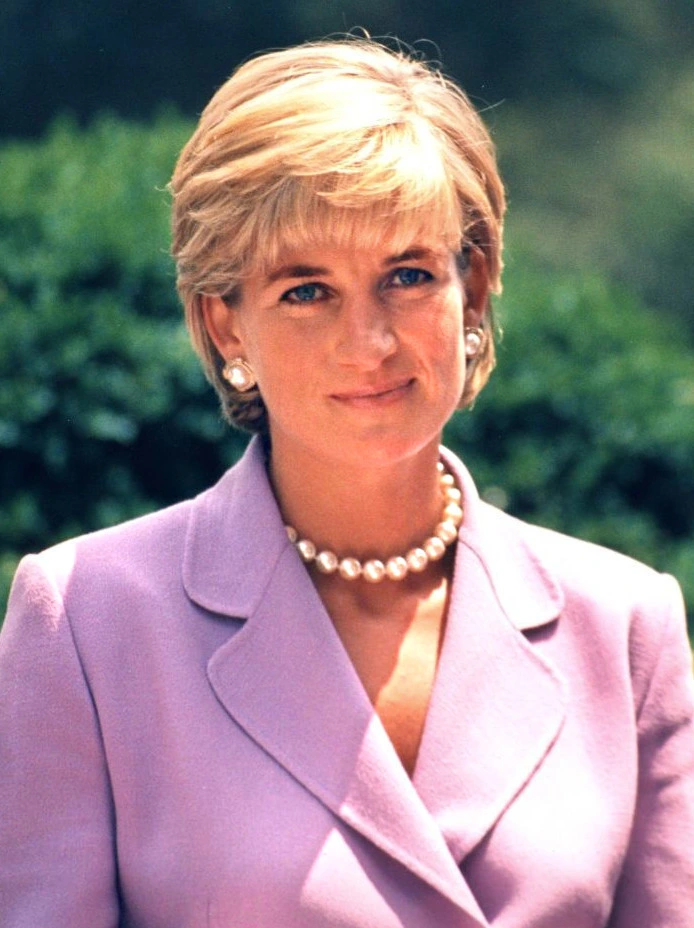
Princess Diana, the iconic figure known as the People's Princess, continues to capture hearts and imaginations long after her untimely death in 1997. Born on July 1, 1961, Diana Frances Spencer was a member of the British royal family who became a global superstar. She was known for her charitable work, her groundbreaking approach to royal duties, and, of course, her tumultuous marriage to Prince Charles. Diana's life was anything but ordinary; she transformed the role of a royal, using her platform to advocate for various causes, including landmines and HIV/AIDS awareness. The world watched as she navigated her way through personal struggles, media scrutiny, and public adoration. Today, her legacy endures, reminding us of her impact on both the monarchy and global humanitarian efforts.
Diana grew up in a family that had close ties to the royal family, which set the stage for her eventual marriage to Prince Charles in 1981. The wedding was a fairy tale broadcasted to millions, with Diana becoming an instant fashion icon. However, the reality of royal life was far from the fairy tale narrative. From the beginning, Diana faced immense pressure, not just from her royal duties but also from the relentless media that followed her every move. The tabloids were both fascinated and obsessed with her, turning her life into a public spectacle. Despite the glamour, Diana struggled with her mental health, battling depression and bulimia, issues that she bravely brought into the public eye. In many ways, she was a pioneer in discussing mental health, long before it became a mainstream topic.
As Diana's marriage to Charles began to unravel, the public became increasingly aware of the cracks in the royal facade. She famously said, "There were three of us in this marriage, so it was a bit crowded," referring to Charles’s ongoing relationship with Camilla Parker Bowles. This candidness endeared her to millions, as she became a symbol of resilience amidst personal turmoil. Diana's ability to connect with people was unparalleled; she shook hands with AIDS patients without gloves, visited landmine victims, and championed numerous causes that brought attention to issues often overlooked. Her efforts in the early 1990s to ban landmines gained international attention and helped spark a global movement. It was as if she held a magic wand that could draw attention to the causes that mattered, turning them into talking points at dinner tables worldwide.
After her divorce from Charles in 1996, Diana embraced her newfound freedom and continued to engage in charitable work. She founded the Diana, Princess of Wales Foundation, which focused on a variety of issues, including homelessness, children's hospitals, and HIV/AIDS research. Her life was a whirlwind of charity events, high-profile friendships, and, of course, her two sons, Prince William and Prince Harry. Diana's relationship with her children was a cornerstone of her life, and she often emphasized the importance of raising them away from the strict confines of royal tradition. She wanted them to be grounded, relatable, and aware of the world beyond their palace walls.
Diana’s tragic death in a car accident in Paris on August 31, 1997, shocked the world. Her passing sparked an outpouring of grief that transcended borders and cultures. People from all walks of life mourned her loss, with flowers piled high outside Buckingham Palace and heartfelt tributes flooding in from around the globe. The media frenzy surrounding her death was relentless, raising questions about the role of paparazzi and the ethics of media coverage. Many argued that the very culture that had elevated her to stardom was also responsible for her demise. The aftermath of her death led to widespread calls for reform in media practices, particularly regarding the treatment of public figures.
Reactions to Diana's life and legacy remain mixed. Some view her as a tragic figure, a woman who could not escape the very institution she married into. Others celebrate her as a trailblazer who reshaped the monarchy's image and brought a human touch to royal duties. The royal family itself has had to grapple with Diana's enduring legacy, especially in light of the revelations from her sons. Prince Harry has often spoken about the impact of losing his mother at such a young age, highlighting the lasting effects of her death on his life. Meanwhile, Prince William has echoed similar sentiments, emphasizing the need to keep her memory alive through charitable work and advocacy.
Diana's influence extends beyond the royal realm; she has inspired countless individuals and organizations to engage with social issues. The way she championed causes has set a precedent for future generations, showing that celebrity status can be leveraged for social good. Her legacy also raises questions about the nature of celebrity and the responsibilities that come with it. In a world where social media allows for direct engagement with fans, Diana's approach to advocacy feels even more relevant today. The lessons learned from her life can serve as a blueprint for modern-day public figures looking to make a difference.
As we look to the future, Diana's impact continues to resonate, especially in discussions about mental health and philanthropy. With a new generation of royals, including her sons, actively engaging in charitable work, her legacy remains alive and well. The world is still enchanted by the story of the girl who became a princess, and her journey serves as a reminder that true royalty comes from compassion and empathy. The question remains: How will her legacy evolve in a world that continues to grapple with issues she once highlighted? As society progresses, perhaps we will see a new wave of advocates inspired by her courage to challenge norms and advocate for those in need.
In conclusion, Princess Diana was not just a royal; she was a phenomenon. Her life was a tapestry woven with threads of joy, heartache, and an unwavering commitment to making the world a better place. As we remember her, we also look forward to what her legacy will inspire in future generations. What will the next Diana look like? Only time will tell, but one thing is certain: the People's Princess will forever hold a special place in our hearts, reminding us that true greatness often lies in the most human of connections.
Diana’s legacy serves as a beacon of hope and a reminder of the power of compassion. As we navigate our own lives, let us carry forward her spirit of kindness and advocacy, ensuring that her message continues to inspire change and uplift those in need. The world may have lost a princess, but it gained a powerful advocate for humanity, whose influence will undoubtedly be felt for generations to come.