The Life and Legacy of Michael Crichton: Master Storyteller
Exploring the Impact of Michael Crichton on Literature and Science
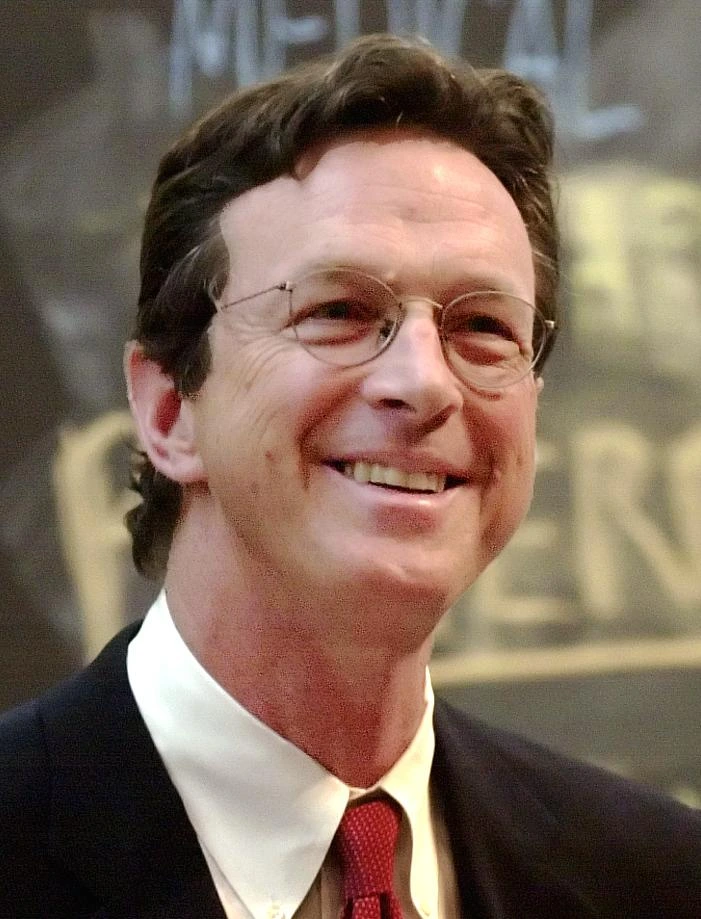
About
Michael Crichton
Author
Introduction Hook
When you think of the literary world, few names conjure the same mix of excitement and dread as Michael Crichton. Known for blending science fiction with real-world plausibility, Crichton made readers question everything from the safety of their morning coffee to the ethics of genetic manipulation. At 6'9" tall, he wasn’t just a towering figure in the literary realm; he was a giant in the world of pop culture. His works, like Jurassic Park and The Andromeda Strain, have left an indelible mark, transforming how we view both science and storytelling. With a career that spanned decades and over 200 million books sold, he was the kind of author who could turn a casual reader into a neurotic researcher, contemplating the implications of rogue nanobots or the revival of long-extinct predators. So, let’s dive into the life of this literary titan and explore whether his creations might outlive their creator. After all, in the world of Crichton, chaos theory tells us that life finds a way, but does it apply to authors too?
Early Life and Background
Born on October 23, 1942, in Chicago, Illinois, Michael Crichton was destined for greatness long before he penned his first bestseller. Raised in a family that valued education, Crichton was the son of a journalist and a homemaker. His upbringing was steeped in intellectual pursuits, which likely fueled his insatiable curiosity about the world around him. As a child, he showed an aptitude for storytelling, often weaving tales that hinted at the complex narratives he would later master.
Crichton attended Harvard University, where he earned his medical degree, but he never quite fit the mold of a conventional doctor. Instead, he found his true calling as a writer, merging his scientific knowledge with his storytelling prowess. His medical background not only informed his writing but also added a layer of authenticity to his plots, allowing readers to suspend disbelief just long enough to be captivated by the possibilities of science gone awry.
It’s fascinating to think that the man who created the terrifyingly plausible world of Jurassic Park was, at one point, a medical student. Crichton’s early experiences undoubtedly shaped his worldview and provided him with the rich tapestry of ideas that would later explode onto the page. His childhood was a mix of traditional education and imaginative play, setting the stage for the duality of his career as both a scientist and a storyteller.
Career Highlights and Achievements
Crichton’s career is a glittering one, punctuated by a series of remarkable achievements that would make any author green with envy. His breakout novel, The Andromeda Strain, published in 1969, was an instant hit, capturing the attention of readers and critics alike. The story of a deadly extraterrestrial microorganism was both thrilling and scientifically grounded, a hallmark of Crichton’s writing style that would become his trademark.
But it was Jurassic Park, released in 1990, that catapulted him to superstardom. The novel not only spawned a blockbuster film franchise but also rekindled public interest in dinosaurs and paleontology. The concept of bringing dinosaurs back to life using genetic engineering was not just a fantasy; it was a cautionary tale about the ethical implications of scientific advancements. By the time the film adaptation hit theaters, Crichton was already a household name, and the world was captivated by the chaos that ensued when man played god.
Throughout his career, Crichton penned numerous bestsellers, including Sphere, Timeline, and Disclosure, each one exploring the darker side of human ambition and the unforeseen consequences of scientific exploration. His works transcended the realm of literature, earning him accolades like the Edgar Award and the Bram Stoker Award, solidifying his place in both the literary and cinematic worlds.
In addition to his writing, Crichton was also a talented director and producer, contributing to the hit TV series ER, which brought medical drama to a new level of realism and popularity. His ability to weave intricate narratives into both books and screenplays showcased his versatility and understanding of audience engagement. With over 200 million copies sold, Crichton’s legacy is not only in the stories he told but in the conversations they sparked about the future of science and technology.
Notable Life Events and Controversies
Every great artist has their share of tumultuous moments, and Crichton was no exception. He was married twice and had a number of high-profile relationships, but he famously kept his personal life somewhat private, preferring to let his work speak for itself. His marriage to actress Anne-Marie Martin in 1981 produced a daughter, but the couple eventually divorced in 1983.
Crichton’s life wasn’t without its share of controversies, particularly surrounding his views on climate change and his public stance on scientific integrity. He often found himself at odds with the scientific community, questioning the consensus on climate change and urging for a more cautious approach to environmental issues. These views sparked debate and even backlash, as many accused him of downplaying the urgency of climate action.
A pivotal moment in his life came when he was diagnosed with cancer in 2008. Crichton’s battle with the disease became a deeply personal journey, influencing his final works and his perspective on life and mortality. Published posthumously in 2011, his final novel, Micro, delved into the consequences of corporate greed and the dangers of unchecked technological advancements, echoing themes that ran throughout his career.
Current Status and Recent News
Although Michael Crichton passed away in 2008 at the age of 66, his legacy continues to thrive. Posthumous publications, like Micro, have kept his name alive among fans and new readers alike. The film adaptations of his works continue to gross billions, proving that his stories resonate with audiences even years after his death.
In recent years, there has been a resurgence of interest in his writings, with discussions about the ethical implications of technology and science more relevant than ever. Crichton’s ability to predict societal issues through fiction has led to new adaptations and continued analysis of his work in academic circles. It’s as if he foresaw our current dilemmas and crafted narratives that echo through time, challenging us to confront the chaos of our own making.
Mortality Awareness Section
Michael Crichton’s life and career serve as a poignant reminder of the fragility of existence and the importance of understanding the implications of our actions. His battle with cancer highlighted the unpredictable nature of life, a theme that permeates his novels. In a world where technology races ahead, it’s crucial to adopt a lifestyle that prioritizes health, mindfulness, and a sense of responsibility toward our planet and each other.
As we navigate through the complexities of modern life, we can draw inspiration from Crichton’s work. His narratives often emphasize the need for ethical considerations in scientific advancements, urging us to think critically about the world we inhabit. Whether through his thrilling plots or his thought-provoking themes, Crichton’s legacy challenges us to engage with the moral dilemmas that arise from our technological pursuits.
Conclusion
As we reflect on the life of Michael Crichton, we are reminded that while his stories may be fictional, the questions they raise are very real. His legacy encourages us to ponder the consequences of our advancements and to approach the unknown with a blend of curiosity and caution. Whether or not his creations will outlive him is up for debate, but one thing is certain – Michael Crichton’s imagination will continue to inspire and provoke thought for generations to come.
In a world that often rushes forward without looking back, Crichton’s work serves as a necessary reminder to pause and consider the impact of our actions. As we continue to explore the realms of science and technology, let us carry forward the lessons learned from this master storyteller, ensuring that we tread carefully on the path of innovation.